
UnlayerEmbeddable email &document builder

How Unlayer Evolved from a Developer-Built Editor into an Enterprise-Ready Product
What We Delivered
What We Did
Product Strategy, UX Research, Usability Audit, UI/UX Design, Interaction Design, Design System, AI UX, Product Modernization
Project Snapshot
Platform
Embeddable web editor (Unlayer Studio + Unlayer Embed)
Industry
SaaS · Martech
Overview
From Developer-Built Tool to Enterprise-Grade Experience
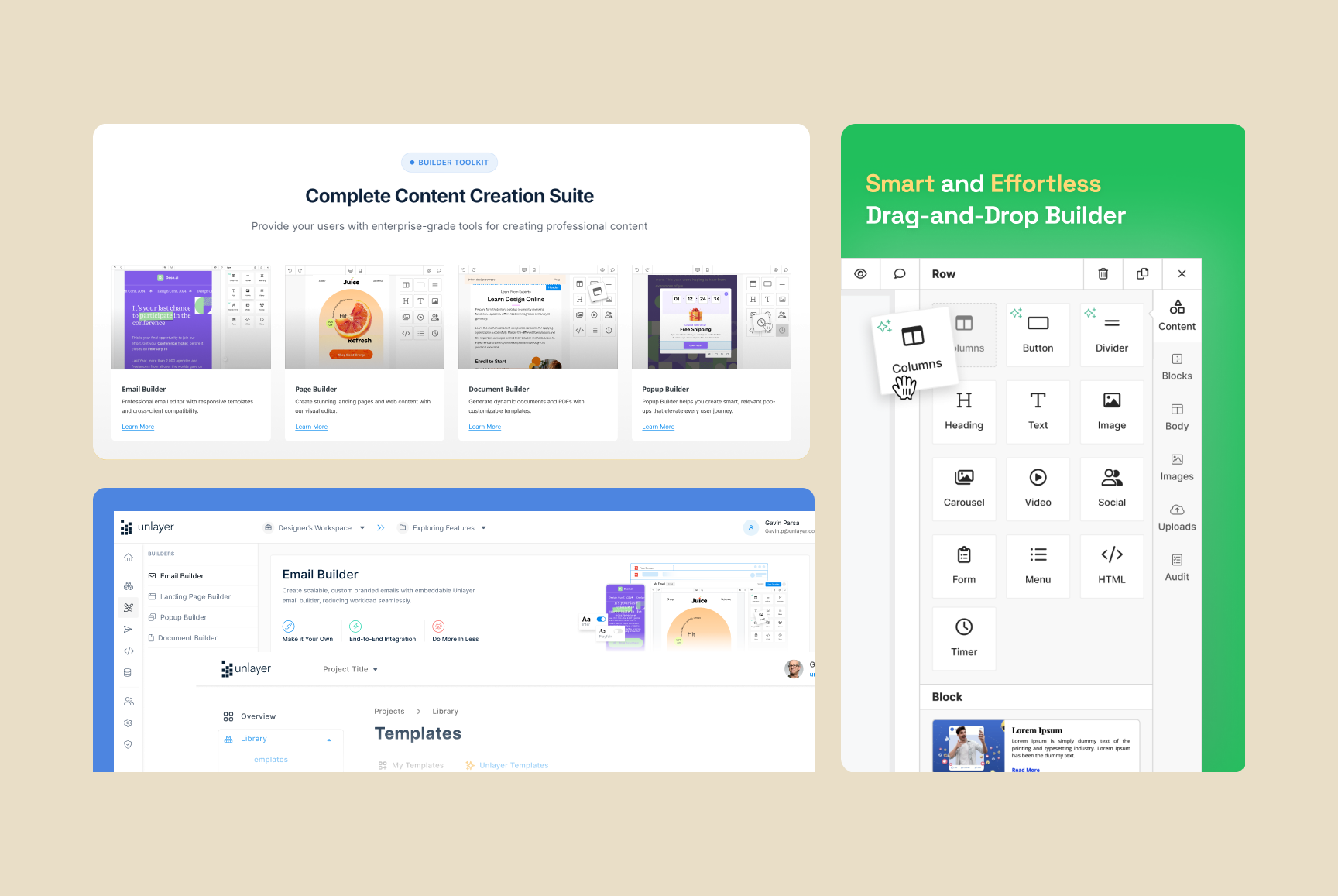
Unlayer provides an embeddable email editor used by major enterprises. When Phoenux stepped in, the product had strong technical foundations but limited design maturity. Much of the experience had been built by developers, for developers.
The product was also evolving in two directions — Unlayer Studio for individual users and Unlayer Embed as a white-labeled B2B solution for enterprise platforms. As the business shifted its focus toward Embed, the product needed an experience that could support larger customers and more complex use cases.
That meant more than a visual refresh. It required clearer interaction patterns, stronger usability, better accessibility, and a design foundation that could scale with the product.
Challenges
The Product Worked. The Experience Needed to Catch Up.
The core editor was powerful but complex, fragile, and heavily developer-built. Making major changes also carried the risk of disrupting an experience users already relied on.
The biggest friction points included:
- Inconsistent visual and interaction patterns
- Accessibility and contrast issues
- Poor discoverability of key controls
- Complex editing workflows
- An AI experience users struggled to understand
- A product experience that needed to feel more credible for enterprise customers
The challenge was clear: modernize the experience without breaking what already worked.
Transformation
From Product Maintenance to Product Experience
Phoenux took design ownership across the product — defining direction, improving the core experience, and creating a foundation for continued growth.
Rather than pushing for a risky rebuild, we introduced a gradual modernization strategy: improve the visual foundation first, then evolve interaction patterns based on real usability needs. No reckless rewrite.
Solution
Modernizing the Experience Without Starting Over
Design Foundation
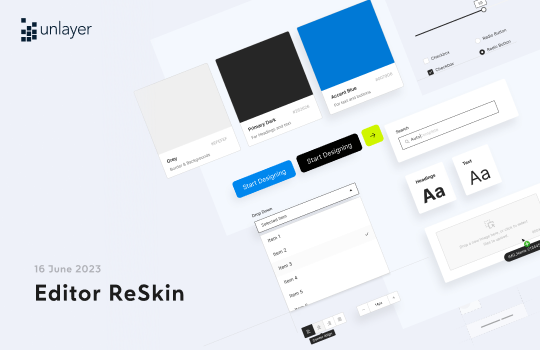
We established the principles needed to give the product a consistent direction.
- Defined visual tone and product personality
- Established accessibility standards
- Created UI principles
- Built foundations for a scalable design system
Core Editor Modernization
Instead of rebuilding the editor, we improved it incrementally.
- Refined typography and hierarchy
- Improved contrast and accessibility
- Standardized components
- Introduced clearer interaction patterns
- Added subtle micro-interactions
The result was a cleaner editing experience with improved discoverability, fewer user errors, and stronger enterprise credibility.
Usability-Led Improvements
High-impact UX improvements informed by audits, user feedback, and competitive analysis.
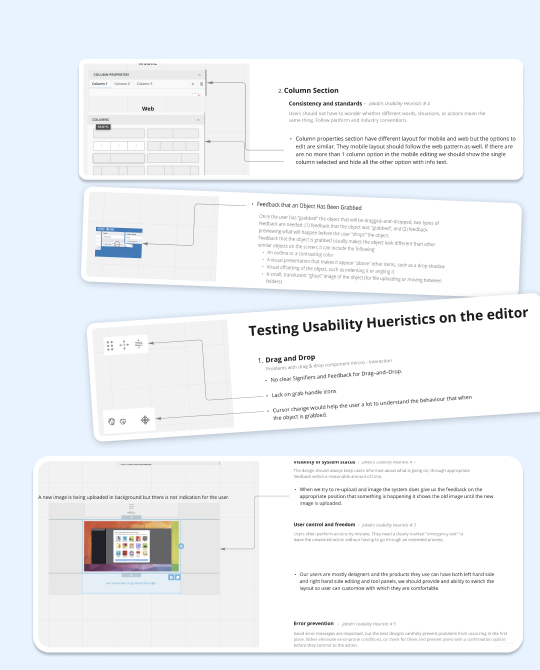
We conducted a usability audit, gathered feedback from internal power users, and reviewed competitor experiences to identify the highest-impact improvements.
Small interface decisions made a significant difference — from clearer action areas and stronger contrast to simpler color controls and more recognizable interaction states.
Designing AI Adoption
A guided AI flow for better prompts, fewer failed generations, and less credit waste.
When Unlayer introduced generative image AI, users weren't yet comfortable writing prompts. They approached the feature like a traditional image search, resulting in poor outputs, failed attempts, credit waste, and higher infrastructure costs.
We redesigned the flow around how users naturally express intent.
Describe → Enhance → Refine → Generate
Instead of relying on one open-ended prompt field, users could work through structured options and refine the request before generating an image.
This reduced failed attempts and credit waste while improving output quality.
Supporting the Shift to Embed
Shaped Unlayer into a scalable B2B platform for enterprise teams.
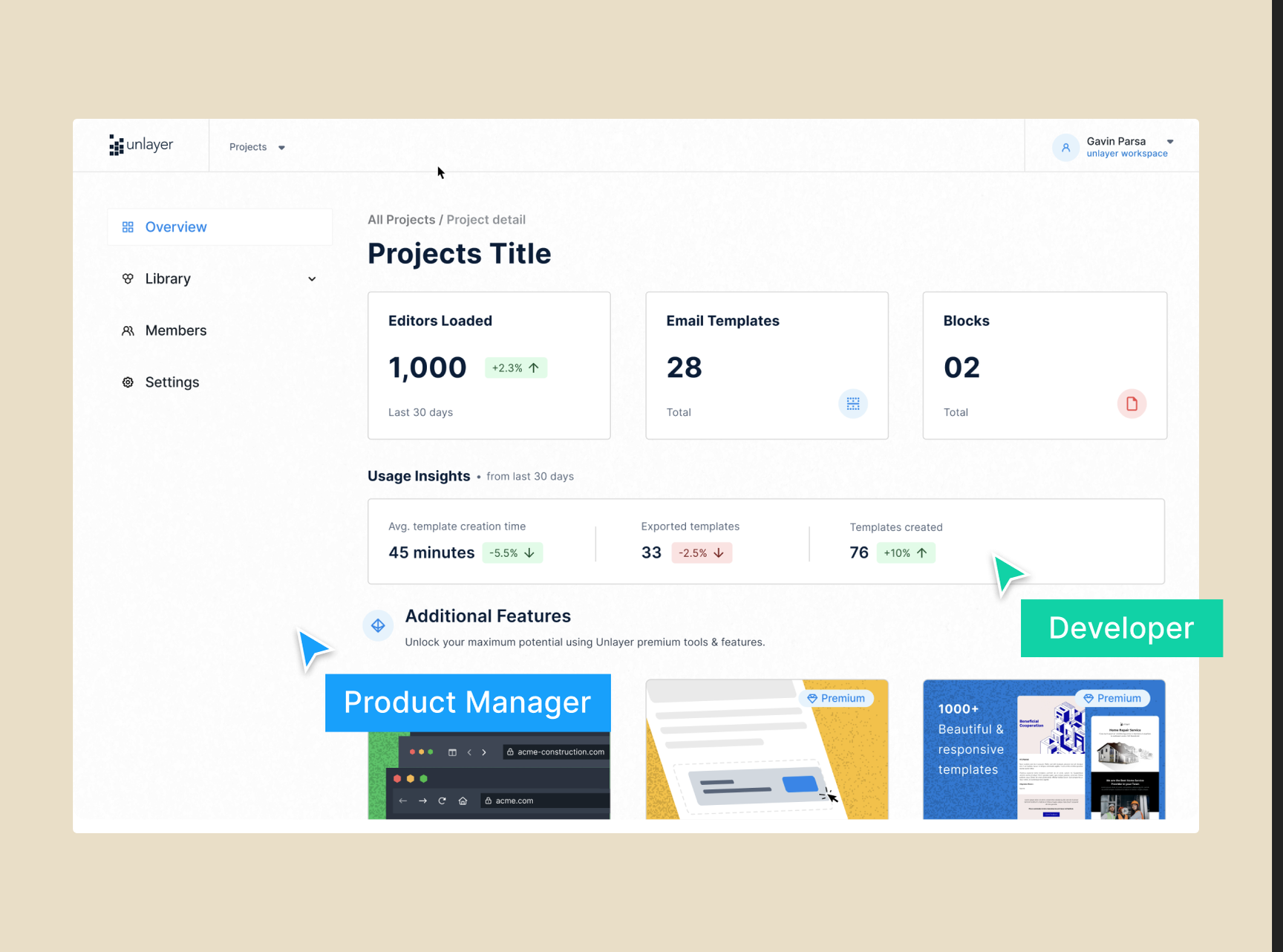
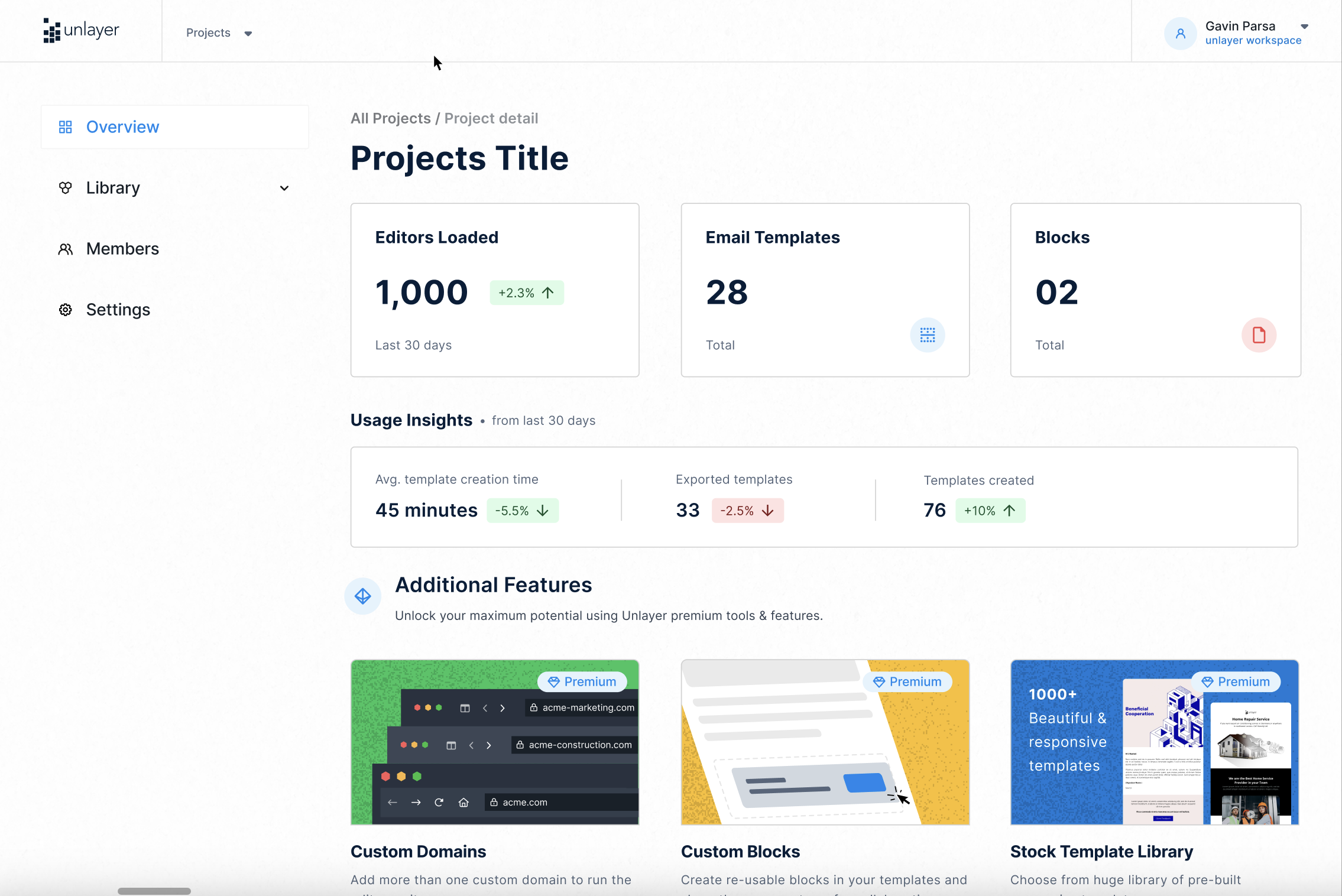
As Unlayer moved toward its B2B Embed offering, the workspace became increasingly important.
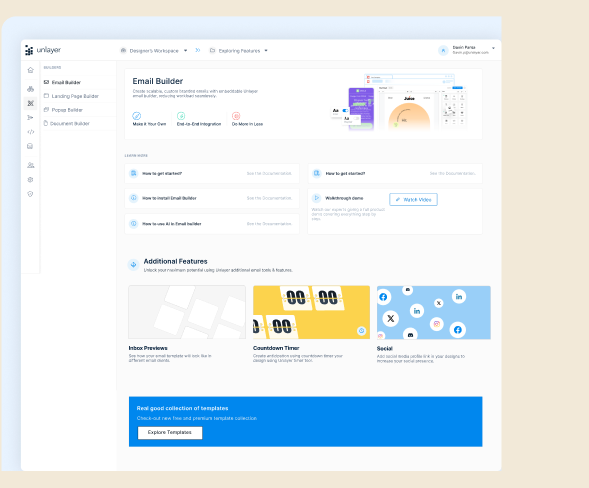
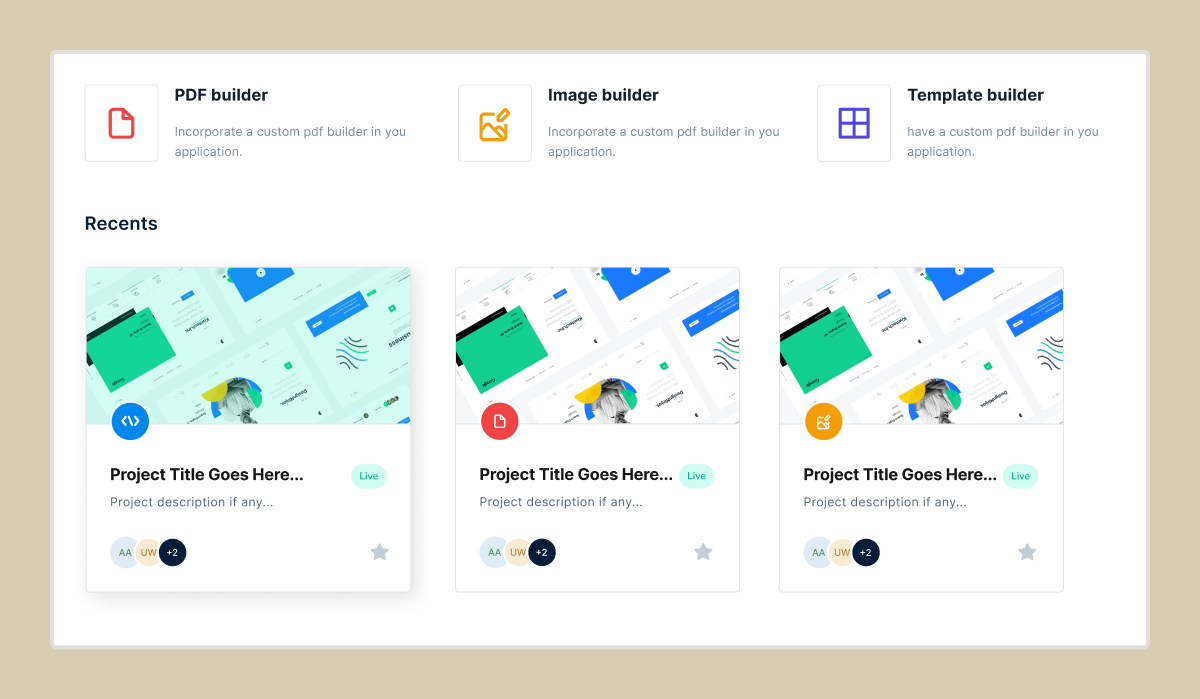
We helped shape the experience around projects, builders, templates, settings, analytics, storage, and other tools required to support enterprise customers.
The product evolved from a standalone editor into a broader platform experience built around the needs of teams integrating Unlayer into their own products.
Impact TLDR
Enterprise-ready
Modernized the core product experience for a growing B2B platform.
AI Adoption
Redesigned the generative AI workflow to reduce failed attempts and credit waste.
Scalable UX
Established stronger UI foundations, accessibility standards, and reusable patterns.


The Result
A More Mature Product, Built to Scale
A more polished product experience built for B2B and enterprise use cases.
Improved discoverability, clearer interactions, and fewer user errors across the core editor.
Improved workflows reduced support issues around common editing tasks.
A structured generative AI workflow helped users create better outputs with fewer failed attempts and less credit waste.
Clearer UI principles, accessibility standards, and standardized components created a stronger foundation for future product development.
Value Phoenux Added
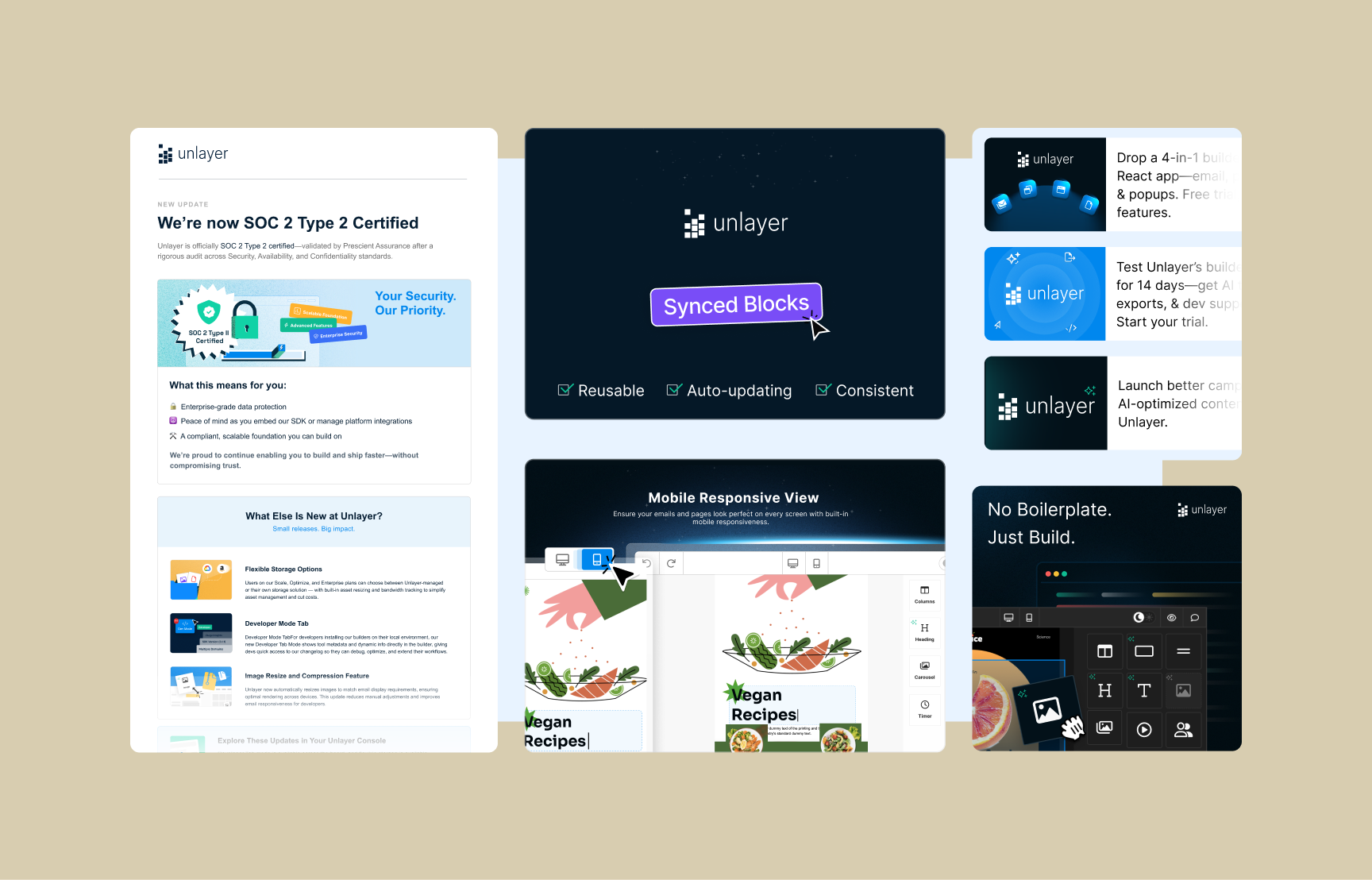
Unlayer already had the technology. Phoenux helped turn that technology into a product experience that was clearer, more accessible, easier to use, and ready for enterprise scale.
Before
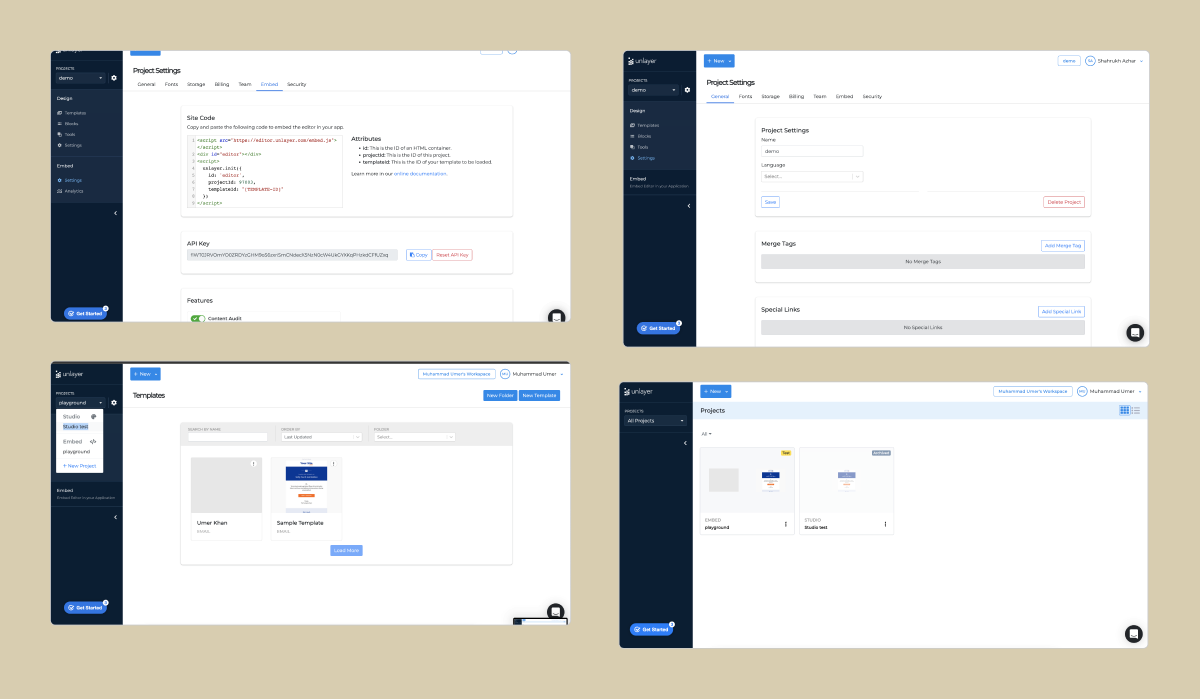
After
Ready to Build a Better Product?Tell us about your project
Let's bring clarity to complex products and design experiences people actually use.